Published: August, 13, 2026 | Time to Read: 5 minutes | Word Count: 0
From cooling inflation and housing policy changes to red-hot local markets, last month brought plenty of news that could impact buyers, sellers, and homeowners. Here's a look at the key economic trends, housing market updates, and regional highlights shaping real estate across the country.
Key Takeaways: August 2026 Housing Market
-
Buyers are gaining leverage, with more negotiating power in 41 of the 50 largest U.S. markets and 20% of listings cutting prices.
-
Inflation eased to 3.4% in July, lowering the odds of a September Fed rate hike to 42%.
-
Housing activity is picking up, with home sales up 6.1% year-over-year as buyers adapt to mortgage rates in the 6% range.
The Big Picture: Economy & Rates
-
U.S. employers cut 23,000 jobs in July, marking the second straight month of weaker-than-expected payroll growth.
-
The unemployment rate dipped to 4.1%, though labor force participation also fell, suggesting underlying labor market weakness.
-
Consumers may see higher prices on everyday goods as the Strait of Hormuz remains disrupted, with crude oil prices recently climbing to nearly $82 per barrel.
- Inflation eased to 3.4% in July, down from 3.5% in June, reducing the odds of a September Fed rate hike from 48% to 42%.

Consumers may see higher prices on everyday goods as the Strait of Hormuz remains disrupted, with crude oil prices recently climbing to nearly $82 per barrel.
National Housing Market Trends: August 2026
-
Millennials now match baby boomers in planned down payments, with both groups expecting to put down a median of $65,000, compared to $56,250 for Gen X buyers.
-
The typical U.S. home buyer plans a $55,000 down payment, but buyers in top California markets often need more than triple that amount to compete.
-
Foreign buyers purchased about 67,000 U.S. homes between April 2025 and March 2026, down 14% year-over-year.
-
The U.S. housing market is showing renewed momentum, with inventory up, home sales rising 6.1% year-over-year, and prices holding steady as buyers and sellers adapt to mortgage rates in the 6-7% range and the second-lowest level since NAR began tracking the data in 2009.
-
Second-home mortgage originations rose 4.1% in 2025, outpacing the primary-home market, with affluent Gen X buyers driving demand, though vacation-home lending remains 65% below its 2021 pandemic peak.
-
Home buyer assistance programs reached a record 2,746 nationwide in Q2 2026, with growing grant funding and expanded eligibility helping more buyers overcome affordability and down payment challenges.
-
Buyers now have greater negotiating leverage in 41 of the 50 largest U.S. housing markets, with increased price cuts and longer listing times creating opportunities for concessions such as seller-paid closing costs and mortgage rate buydowns.
 Buyers now have more negotiating leverage in 41 of the nation's 50 largest housing markets, creating more opportunities for price reductions, seller concessions, and rate buydowns.
National Housing Policy & Industry News: August 2026
Housing policy, technology, and affordability are all shaping how homes are being built and bought right now.
- U.S. median list prices fell 2.4% year-over-year in July to $428,950, marking the ninth straight month of annual price declines.
- 20% of active listings had a price cut in July, up from June but still below last year's level.
- Lofty launched House.ai, an AI-powered platform designed to help consumers assess home-buying readiness while connecting qualified buyers with real estate professionals.
- As AI fuels rapid data center growth, more states and utilities are backing policies that shift the cost of new power infrastructure from residential ratepayers to data center operators.
- Home price cuts helped sustain buyer activity in July, with one in five listings reducing prices and pending sales rising for the eighth straight month despite ongoing affordability pressures from elevated mortgage rates.
- More than half of home sellers use active recording devices during showings, with 45% saying recordings influenced negotiations, highlighting the importance of buyers avoiding discussions about budgets, financing, or offer strategies while touring homes.
- Congress is considering a proposal to lower taxes on home-sale profits, a change that supporters say could encourage more homeowners to sell and increase housing supply.
- AI is creating a split housing market, with San Francisco inventory down nearly 20% year-over-year and San Jose home prices reaching $1.75M, while Austin's median list price has fallen 12.2% year-over-year, and more than 50% of active listings have reduced prices despite continued tech and AI investment.
Regional Housing Market Updates: August 2026
What’s Happening Across the Country
While national trends are shifting toward balance, local markets continue to move at their own pace. Here’s a concise look at what stands out by region.
Southeast Housing Market
- Miami-Dade recorded 24 home and condo sales of $30 million or more in the first half of 2026, putting the luxury market on pace to surpass the record 33 trophy sales recorded in all of 2025.
- Memphis median list prices dropped 11.8% year-over-year in July, the largest decline among the top 50 metros.
- Southeastern homeowners should prepare for a wetter, stormier winter by cleaning gutters, checking drainage systems, reviewing insurance coverage, and securing outdoor areas, as a strong El Niño is expected to bring above-normal rainfall and more frequent storm systems to the region.
- The Southeast's hottest housing markets are led by Mount Pleasant, SC, and Bluff City, TN, where homes sell in a median of 38 and 37 days, respectively.
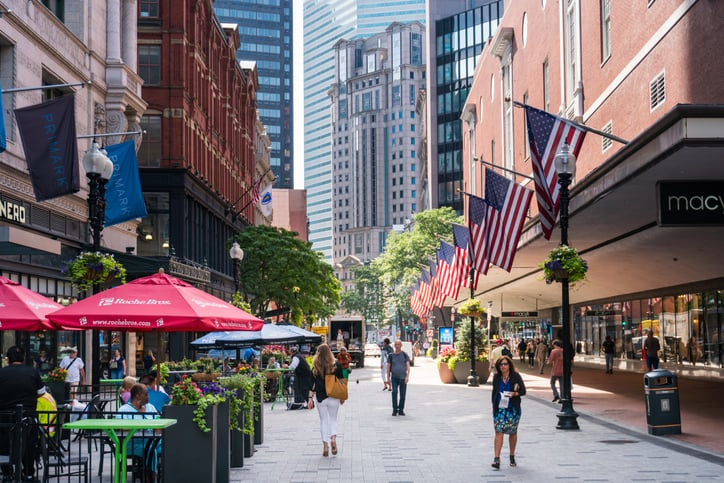
Buyers in the Boston metro are budgeting a median $101,250 down payment, nearly double the national median of $55,000.
Northeast Housing Market
-
Buyers in the Boston metro are budgeting a median $101,250 down payment, nearly double the national median of $55,000.
-
Charleston, WV, was named the nation's top up-and-coming housing market for 2026, with an average home value of just $147,264 and a home price-to-income ratio of 2.39.
-
As concerns over noise and quality of life grow, Delaware’s Kent County has adopted its first data center regulations, requiring noise studies, minimum setbacks, and buffer zones near residential areas.
-
Hartford, CT, median list prices increased 5.7% year-over-year in July, one of the strongest gains among major metros.
-
Peabody, MA, ranked as the hottest ZIP code in the Northeast, with homes spending a median of just 20 days on the market and a median list price of $600,000.
Midwest Housing Market
- Oklahoma's affordable housing market continues to attract out-of-state buyers, driving population growth in suburbs like Mustang (+23.4%), El Reno (+22%), and Yukon (+16.8%) since 2020.
- Joliet ranked as Illinois' top city for first-time home buyers, placing #34 nationally and #2 in the U.S. for quality of life.
- Minneapolis’ inventory jumped 29.3% year-over-year in July, the largest increase among major U.S. metros.
- Grand Rapids, MI, posted the nation's largest increase in pending home sales, with contract activity surging 93.3% year-over-year as buyers flocked to the market's affordability and strong job growth.
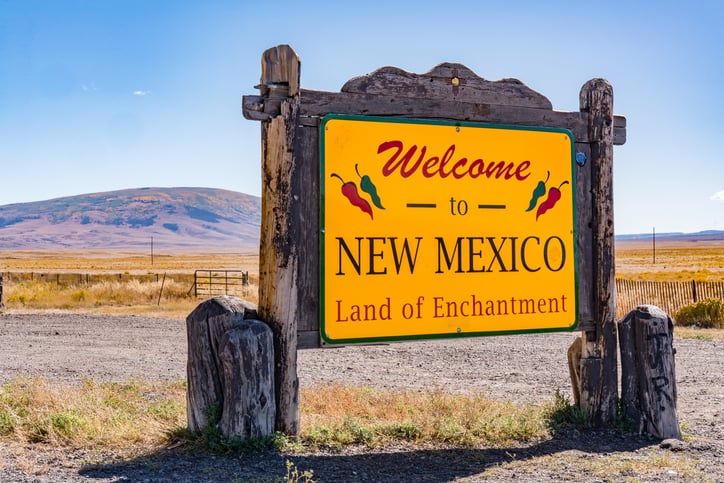 Farmington claimed the top spot as New Mexico’s hottest ZIP code in 2026, with a median list price of $378,000.
Southwest Housing Market
- Inventory shrank 5.1% year-over-year in both Austin and Dallas-Fort Worth, while San Antonio posted Texas' strongest housing performance with an 11.8% sales increase and rising home prices.
- Oklahoma City home prices fell 2.6% year-over-year to $316,450 in July, while inventory increased 9.5%, and nearly 24% of listings saw price cuts.
- Farmington claimed the top spot as New Mexico’s hottest ZIP code in 2026, with a median list price of $378,000 and homes spending a median of 51 days on the market.
- Houston’s housing supply continues to expand, with a new development in Fulshear expected to bring 7,000 homes to the fast-growing suburb.
Mountain States Housing Market
- A new Colorado River plan could force up to 20% water cuts in Arizona, California, and Nevada, raising concerns about future housing growth and development in fast-growing markets that depend on the river's water supply.
- Nearly 31% of Denver-area home listings (30.9%) saw price cuts in July, one of the highest rates among the nation's largest housing markets.
- Boise remains one of Idaho's hottest housing markets, with the city's top-ranked ZIP code posting a median list price of $542,000 and homes spending just 34 days on the market.

Spokane was named Washington's hottest ZIP code of 2026, with homes spending a median of just 40 days on the market.
West Coast Housing Market
-
Home buyers in San Jose are planning the nation's largest down payments at $190,000, followed by $170,000 in San Francisco and $115,000 in Los Angeles.
-
Three wildfires in Spokane County, Washington, have burned roughly 8,000 acres, destroyed more than 700 homes, forced the evacuation of nearly 65,000 residents, and are part of 15 major wildfires statewide that have scorched approximately 250,000 acres.
-
Los Angeles buyers are helping sustain San Diego’s housing market, using higher home equity and incomes to purchase properties in the region, which local agents say is helping keep prices elevated despite limited inventory and historically low sales.
-
Spokane was named Washington's hottest ZIP code of 2026, with homes spending a median of just 40 days on the market.
-
Seattle's housing market is becoming more buyer-friendly, with active listings up 14.2% year-over-year and median sale prices down 1.8% as buyers gain more negotiating power.
- Oregon home values dipped slightly over the past year, with the average home worth about $504,000, while homes are still going under contract in just 16 days on average.
Be sure to check back next month for our updated insights and trends to keep you informed on the latest developments. In the meantime, if you’re thinking about buying, selling, or refinancing, our Home Loan Specialists are always ready to help you make the right move.
Frequently Asked Questions
Check our FAQs for responses to our most popular questions about our monthly housing updates.